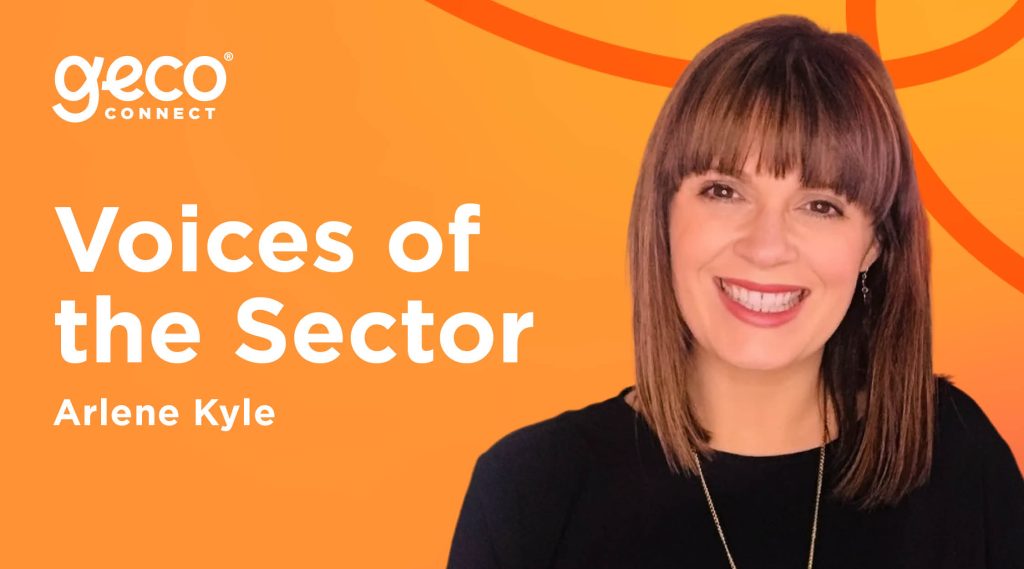
As part of our mission to amplify voices in the sector, we’re pleased to welcome a guest contribution from Arlene Kyle, Founder and Director of Roots & Wings Social Care Ltd. Drawing on her experience within social care, Arlene shares her perspective on the issues shaping the sector and the changes needed to better support children, young people and those who care for them.
—
The Child Never Meets the Leadership Strategy… But They Experience It Every Day
By Arlene Kyle, Founder & Director, Roots & Wings Social Care Ltd
When we talk about improving outcomes for children and young people, where do we start?
Most conversations begin with practice.
We talk about trauma-informed care.
Relationships.
Safeguarding.
Attachment.
Communication.
Reflective practice.
These conversations matter because they directly influence children’s experiences.
Yet I often find myself asking a different question.
What creates the conditions in which great practice becomes possible?
The answer isn’t another policy, another inspection framework or another strategic plan.
It’s leadership.
Children may never know who sits around the executive table.
They’ll never read an organisational strategy.
They won’t know who approved next year’s budget.
But they experience the impact of those decisions every single day.
Leadership creates culture.
Culture shapes relationships.
Relationships shape practice.
Practice shapes outcomes for children.
Perhaps leadership is one of the most significant influences on children’s lives that we rarely talk about.
Looking Beyond the Organisation Chart
Throughout my career in children’s services, I’ve worked with leaders who care deeply about making a difference.
They work tirelessly to support their teams, navigate increasing complexity and improve outcomes for children and young people.
Yet leadership has become harder.
Financial pressures.
Recruitment challenges.
Inspection demands.
Growing complexity.
Changing legislation.
Increasing expectations.
It is understandable that many leaders feel they spend much of their time responding to today’s challenges.
But if leadership becomes consumed by firefighting, who is creating tomorrow’s culture?
Because culture doesn’t emerge by accident.
It is intentionally created—or unintentionally allowed to develop.
Either way, children experience the result.
The Culture Children Feel
Organisations often invest significant time developing policies, procedures and values.
All of these are important.
But culture is not created by what we write.
Culture is created by what people experience every day.
It is reflected in whether staff feel able to ask for help.
Whether supervision creates space for reflection.
Whether mistakes become opportunities for learning rather than blame.
Whether curiosity is encouraged.
Whether leaders make time to listen.
Children may never see those interactions.
But they experience the emotional climate they create.
A workforce that feels supported is better able to support others.
A psychologically safe team is more likely to remain curious and regulated when a child presents with distressed behaviour.
A reflective culture encourages adults to ask not “What’s wrong with this child?” but “What has happened to this child—and what might they need from me right now?”
Those subtle shifts change lives.
Psychological Safety Is a Children’s Issue
Psychological safety is often discussed in relation to staff wellbeing.
I believe it deserves to be viewed through another lens.
It is also a children’s issue.
When practitioners feel safe to speak openly, seek advice and admit uncertainty, children are safer.
When leaders respond with curiosity instead of criticism, learning increases.
When learning increases, practice improves.
And when practice improves, children experience more consistent, compassionate and relational care.
Every leadership behaviour creates a ripple effect.
Sometimes we simply don’t notice how far those ripples travel.
Leadership Is About Creating the Conditions for Others to Thrive
Leadership is often described in terms of strategy, performance and operational delivery.
These responsibilities matter.
But perhaps the most important question any leader can ask is:
“What conditions am I creating that allow other people to do their very best work?”
Because outstanding care doesn’t happen through instruction alone.
It happens when leaders intentionally create environments where people feel trusted, supported and able to grow.
The principles that sit at the heart of Getting it Right for Every Child remind us that children achieve the best outcomes when the adults around them work collaboratively, build trusting relationships and remain focused on their individual needs.
Leadership creates the environment where those principles become everyday practice rather than organisational aspiration.
A Different Way to Measure Leadership
Perhaps it’s time we measured leadership differently.
Not simply by targets achieved.
Or inspection outcomes.
Or organisational performance.
But by asking:
What did our leadership make possible?
Did it create confidence?
Did it strengthen relationships?
Did it encourage reflection?
Did it help practitioners remain emotionally available for children?
If the answer is yes, leadership has already influenced outcomes in ways that no performance dashboard could ever fully measure.
A Final Reflection
Children may never know the names of the people leading an organisation.
They may never read a leadership strategy or understand an organisational structure.
But they experience every leadership decision through the adults who care for them each day.
If we truly want to improve outcomes for children and young people, perhaps one of the greatest investments we can make is not simply in developing better practitioners.
It is in developing leaders who intentionally create cultures where practitioners flourish, relationships thrive and every child experiences the safety, connection and belonging they deserve.
Because leadership is never simply about leading organisations.
It is about shaping lives.
About the Author
Arlene Kyle is the Founder and Director of Roots & Wings Social Care Ltd, a specialist consultancy supporting organisations across the UK through leadership development, coaching, reflective supervision, consultancy and CPD-accredited training.
A Coaching Psychologist with more than 25 years’ experience in Health and Social Care, Arlene has held senior leadership roles leading multi-site services and supporting organisations through significant periods of growth, change and transformation.
Today, she works alongside leaders and organisations to create psychologically safe, trauma-informed cultures where people flourish and children and young people experience the very best care.
Her work is underpinned by one simple philosophy:
Leadership creates culture. Culture shapes relationships. Relationships shape practice. Practice shapes outcomes for children.
Through her Leading the Difference series, Arlene shares practical reflections, evidence-informed thinking and leadership insights to encourage conversations that strengthen organisations, support practitioners and ultimately improve the lives of children and young people.
Find out more: www.rootswingscoaching.com
—
Thank you to Arlene for sharing her insights and allowing us to publish them here.

 Residential Care Insights




 Care Professionals