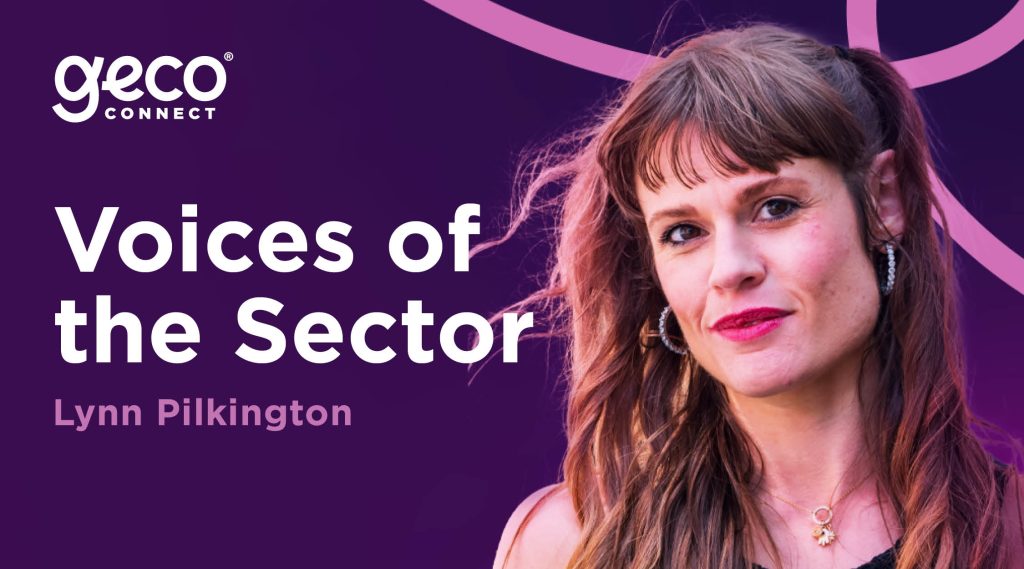
We’re delighted to have another guest post for our Voices of the Sector series. This entry is from Lynn Pilkington. Lynn Pilkington is an Inclusion and Engagement Consultant, trainer and facilitator specialising in mental health, neurodiversity and psychological safety. A Scottish Mental Health First Aid Instructor and accredited Psychological Safety practitioner, Lynn works with organisations to help managers and teams create safer, more inclusive environments where people can speak, be heard and ask for support.
Her blog is below:
—
I’ve always had a soft spot for Wendy in Peter Pan.
Perhaps it was the similarities between myself and the actress in the 2003 film, with her wavy brown hair and strong front teeth. Perhaps it’s the romance of a long white nightgown.
And, yes, mostly it’s because she was the maternal figure to the Lost Boys. Kind and firm, and stern with Peter when needed.
“Peter, I am sorry I must grow up.”
We often talk about childhood and adulthood as though they are completely separate worlds. In my experience, particularly in conversations about safeguarding, trauma, care, education and wellbeing, they aren’t.
Our identities follow us like shadows. The “naughty boy” may become the rebellious senior leader. The “good girl” can evolve into the overly responsible perfectionist.
That doesn’t mean childhood determines someone’s future. People are remarkably adaptable. Relationships, education, opportunity, support and safe environments can all make a difference.
But it does remind us why getting it right early matters.
The child is still in there
My professional journey has taken me from working with children and young people into mental health, inclusion, neurodiversity and psychological safety work with adults.
Something that continues to strike me is how much the principles are the same:
Meet them where they are. Name the emotion. Create safety. Listen. Set clear and consistent boundaries.
These aren’t just childhood skills.
They’re human skills.
We sometimes expect adults to have magically acquired the ability to understand their emotions, regulate their behaviour, communicate their needs and navigate difficult situations.
But where were they supposed to learn that?
Every child becomes somebody’s adult
This is why I find the work across children’s services, education, care and safeguarding so important.
Every child becomes somebody’s adult.
They become students, workers, parents, colleagues, leaders and managers. They become the people who eventually shape environments for the next generation.
What we teach about relationships, boundaries, emotional regulation, difference and asking for help can become part of the toolkit they carry into adulthood.
And this is where my work now connects with that earlier experience.
Psychological safety, mental health and neurodiversity inclusion are all about creating environments where people can speak up, ask for help, communicate their needs and belong.
The question isn’t only:
“What happened to this child?”
It is also:
“What environment are we creating for the adult they will become?”
Children grow up. And eventually, they become part of the culture.
________________________________________________________________________
About Lynn Pilkington
Want to work with Lynn? Lynn offers consultancy, training and psychological safety work for organisations looking to have better conversations about mental health and neurodiversity. Get in touch: [email protected].